Hotel, Airbnb and Rental Biohazard Cleanup
Rental property biohazard cleanup covers hotels and Airbnb units as well as rentals.
See hotel, airbnb and rental biohazard cleanupRemove bodily fluids, human waste, sharps, contaminated contents and persistent odor from a rental in Weddington after legal access is confirmed. Ordinary debris and personal property are separated from biohazard cleanup.
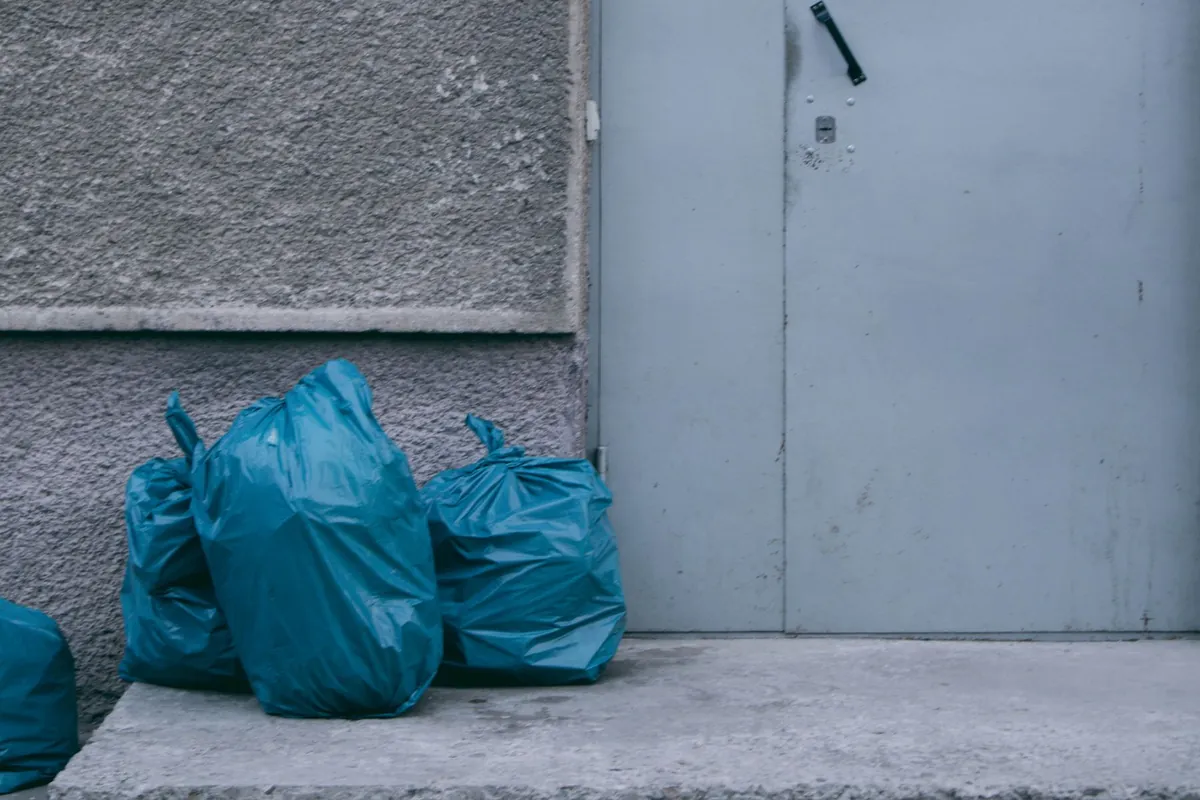
Eviction biohazard cleanup removes biological contamination and affected material from a rental in a controlled way after the tenant has left. Cleaning, necessary disinfection and removal of odor sources follow.
An apartment cleanout alone is not enough for these conditions. Standard hauling may be suitable for furniture, boxes and household trash. Human waste, needles, bodily fluids, spoiled items and heavily affected contents need their own safety plan. Your scope should mark the affected space, shield nearby areas and separate hazardous material from ordinary debris.
Visible clutter may conceal the real condition. Feces can reach belongings, floors and fixtures. Urine may soak through to padding or the subfloor, while needles can remain hidden among bags, bedding and drawers. A biohazard service traces these possible paths ahead of removal, identifying cleanable hard surfaces and porous material that cannot be cleaned completely.
Surrounding areas stay cleaner when planned removal paths, contained work zones, protective gear and sharps containers reduce contact with hazardous waste.
Keeping protected, stored and undecided belongings away from authorized waste lowers the chance that property is discarded too soon.
You receive a breakdown of documentation, property sorting, ordinary waste, contaminated materials, cleaning, disinfection, odor treatment and future repairs.
Unmarked vehicles are used when crews arrive. Careful planning of loading paths and work areas can limit avoidable notice from residents and nearby neighbors.
You may need eviction cleanup when a previous tenant has left a condition that routine cleaning or ordinary trash removal cannot address. Examples include:
The unit contains personal property, spoiled contents and possible contamination that must be documented before approved items and waste are separated.
Because bags, furniture, bedding and scattered debris may contain needles or glass, safe property sorting requires a plan for sharps.
Before new flooring, paint or other restoration services, the source of persistent smells from waste, urine or porous residue requires attention.
A standard rental turnover is unsafe when floors and fixtures are covered with discarded food, bodily fluids, waste or affected belongings.
Confirm that you may enter, preserve the condition of the property and keep people away from possible contamination. Before cleanup technicians arrive:
Call (888) 440-9227Published guides do not give a range specifically for eviction biohazard cleanup. General biohazard guides offer context, putting the typical national range at $3,000 to $5,000 and giving a residential average of $1,800 through $4,500; a second guide reports $2,500 to $8,000. Those figures are not quotes for eviction work. Cost is shaped by room impact, contamination, affected materials, required sorting and waste disposal.
These ranges come from published national cost guides, not from a site visit. The price for your property is set after the on-site assessment, and you hear it before work starts.
Ask about cost: (888) 440-9227Insurance can pay a portion of eviction cleanup when its policy covers the event behind the damage. Treatment may differ for repairs, standard cleanout expenses, damage by a tenant and contamination that occurred over time.
Ask about the relevant loss cause and documentation, whether removal may start, and how limits and the deductible influence payment.
Retain dated photographs along with move-in records, required notices, receipts and details of the cleanup work. Ask a local housing professional how deposit deductions and required notices apply to your property.
Report the condition before non-urgent removal. Find out whether the policy includes personal property, biohazard cleanup, harmed building materials, odor work and restoration.
Documented damage, applicable requirements, court directions and the rental agreement can influence who is responsible. Keep payment questions separate from the immediate decision to restrict an unsafe area.
A controlled sequence is used for every eviction biohazard cleanup, although each property is different. Before sanitation, the process sorts out authority to enter, records, personal belongings, regular debris and contaminated material:
You verify your right to enter and note restrictions involving the tenant's property. An initial check captures room conditions and leaves restricted items in place.
The assessment maps visible waste, bodily fluids, sharps, odor, blocked paths and affected areas. The scope separates ordinary cleanout work from biohazard remediation.
Controlled work areas and planned exit routes help keep surrounding areas protected. Protective equipment matches the materials found, while common entrances and hallways remain unobstructed.
Belongings with notice and storage obligations are kept apart. Once you authorize decisions, cleanable belongings, ordinary debris and contaminated materials move into different groups.
Removal of unsecured waste follows a set order. Materials covered by special waste requirements follow the correct packaging and disposal route, with sharps secured in puncture-resistant containers.
Exposed hard surfaces receive cleaning first, with disinfection following afterward. Appropriate surfaces receive an EPA-registered disinfectant, which is left for the complete labeled contact period.
The odor search extends beneath carpeting and into floor padding, cabinet areas, wall edges and the subfloor. Source removal comes first, followed by HEPA air filtration or targeted treatment when the scope calls for it.
You inspect cleaned spaces, discarded materials and repairs that are still necessary. Once cleanup is complete, painting, floor replacement, pest treatment and additional restoration services can be planned separately.
Call at any time. An eviction and tenant Move-Out biohazard cleanup specialist answers, explains the steps and agrees a start time with you.
A contaminated rental can expose you to bodily fluids, hidden sharps, airborne particles and unsafe footing, so the property should be assessed before routine cleaners or maintenance workers enter.
A severely complicated move-out can create financial, scheduling and relationship strain. A room-by-room plan helps you separate urgent safety decisions from later choices about repairs and personal property.
Trash bags, garments, drawers and mattresses can conceal needles, broken glass or lancets. Reaching blindly into piles or compressing bags can cause a puncture injury.
Floor padding, fabric furniture, drywall, unsealed wood and carpet can take in urine or other fluids. A simple wipe cannot clean affected material after residue has soaked into its pores.
Can you clean it yourself? A small, recent spill on a sealed, non-porous surface may be cleaned with gloves and the right product. Begin by cleaning visible material, and follow with an EPA-registered disinfectant that remains for its labeled contact time. Consider professional cleanup if affected material is extensive, absorbed by porous items, obscured by clutter or mixed with needles.
Eviction biohazard cleaning does not have a set timeline. Work can progress faster when access is clear, the affected area is limited and property choices are settled. Multiple rooms, belongings in storage, concealed contamination and material removal can extend the work into stages.
| Scene | Typical time on site |
|---|---|
| A single accessible area with limited contamination | The schedule is set after the first assessment |
| Sorting and cleaning across more than one room | Work can be organized into individual phases of property sorting, removal and cleanup |
| Whole-property cleanup followed by repair work | Separate timelines are created for cleaning and repairs |
Finding what causes the smell is the first part of eviction odor removal. Feces, urine, spoiled items and affected carpet may spread into cabinets, padding, wall edges or subfloor. Fragrance can cover an odor briefly, but it neither takes out contaminated material nor resolves the reason the smell comes back.
Once the source is removed, washable surfaces are cleaned and disinfected when suitable. During professional work, air scrubbers and HEPA vacuuming may lower particle levels. If an odor persists, seams, porous construction materials and vents might need further inspection. When ozone is chosen, treatment must take place in a vacant, controlled area only after every person, pet and plant is out of the space.
For employee contact with blood from a person or material that may be infectious, the OSHA Bloodborne Pathogens Standard, 29 CFR 1910.1030, requires training, protective equipment and exposure controls.
Match an EPA-registered disinfection product to the surface and intended organism. Maintain surface wetness for all of the contact time directed on the label.
North Carolina treats soaked materials from a biohazard scene as medical waste. Rules from the state Department of Environmental Quality's Solid Waste Section control how it is packaged, stored, transported and treated, so it cannot go in household trash.
Get qualified local advice and check the court order, rental agreement and notice requirements before moving or disposing of belongings left behind.
The full eviction and tenant Move-Out biohazard cleanup guide covers what is cleaned or removed, odor and air quality work, and the rules that apply in North Carolina and Mecklenburg County.
Read the full eviction and tenant Move-Out biohazard cleanup guide
Containment, entry and cleanup plans can be influenced by local housing, population and access details.
The 4.9% renter share suggests many residents can make direct decisions about removing contaminated flooring, walls, or personal items.
A median construction year of 2000 often means modern assemblies, yet fluids can still move beneath floating floors and baseboards.
With 8.3% of seniors living alone, private cleanup communication may need to include a relative who lives somewhere else.
At 98.2% single-family housing, cleanup boundaries may include attached garages, utility rooms, or storage areas beyond the main room.
Ask on the call about cleanup options for neighboring communities and ZIP codes.
Rental property biohazard cleanup covers hotels and Airbnb units as well as rentals.
See hotel, airbnb and rental biohazard cleanup
Filth and squalor cleanup for homes that have become unsafe to live in.
See filth and squalor cleanup
Deep cleaning, respectful sorting and removal are all part of hoarding cleanup.
See hoarding cleanup
Rentals, residences and public bathrooms receive human feces cleanup and disinfection.
See human feces cleanup
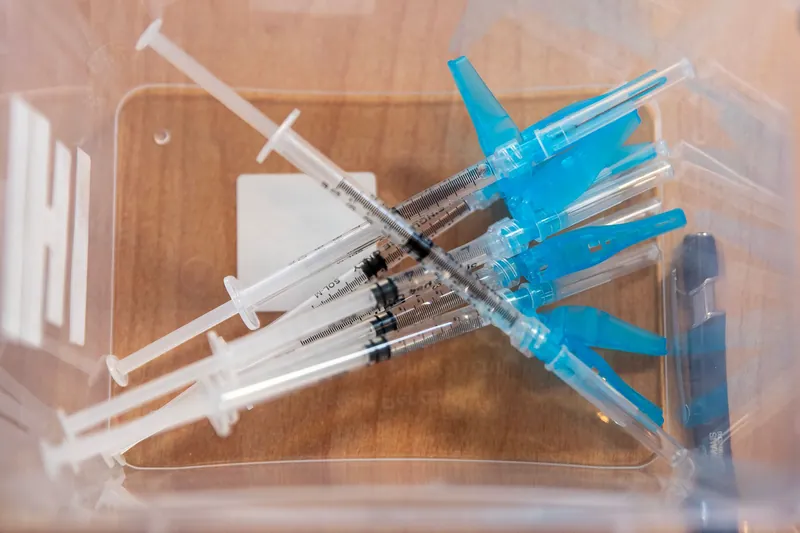
Needle and sharps cleanup for yards, rentals, parks and encampments.
See needle and sharps cleanup
Needles, drug residue and pipes are removed from properties and rental units.
See drug paraphernalia cleanup
Blood, body fluids and other infectious materials are removed, followed by property disinfection.
See biohazard cleanupOften, but the source must be found. Urine may pass through carpet into padding, subfloor, wall edges or cabinets. Surface washing and fragrance cannot reach those hidden areas. Uncleanable affected materials might have to be taken out. Hard areas may receive cleaning and specific air quality work after the odor source is removed. When odor comes back, another search for its source is usually needed.
A specific eviction biohazard cleanup price range is not listed in published guides. General guides show $3,000 to $5,000 for typical national biohazard costs and $1,800 to $4,500 for average residential costs. The figures offer context, not a quote for eviction cleanup. Rooms, contaminants, sorting, material removal, odor work and disposal determine the actual scope.
Biological contamination left behind after abandonment, an eviction or a difficult move-out is addressed through eviction biohazard cleanup. It can include human waste, bodily fluids, sharps, contaminated belongings and affected building materials. The service separates those hazards from ordinary trash, cleans surfaces that can remain, removes materials that cannot be restored and treats odor at its source.
Biohazard cleaning may be appropriate if the rental has widespread affected material, bodily fluids, human waste, numerous concealed sharps or odors from absorbed residue. Ordinary cleaners can manage routine dirt and standard empty-unit turnover. An uncertain affected area, porous materials or possible worker contact with hazardous materials make an assessment the more appropriate step.
Avoid touching a needle directly, replacing its cap or pushing it among bagged debris. Workers use proper pickup tools and puncture-resistant sharps boxes based on the circumstances. Bedding and furniture, including bags and drawers, require close inspection for concealed sharps. Waste is disposed of under the requirements for the location and the state guidance applicable to the site.
Applicable requirements, the rental agreement, insurance terms and court directions determine payment responsibility. A property owner may schedule necessary cleanup before dealing separately with reimbursement. Insurance may cover damage tied to a covered event, but ordinary cleanout work and gradual tenant damage can be treated differently. Save notices, photographs, receipts and work scopes, then confirm with the insurer which documents it needs.
You can request respectful, discreet eviction and tenant Move-Out biohazard cleanup 24 hours a day, and crews use unmarked vehicles.